Cross-Platform Input Lag Variations and Their Ties to Evaluation Shifts in Precision Fighting Titles Across Console Generations
Written by Zara Foster · Sep 1, 2026
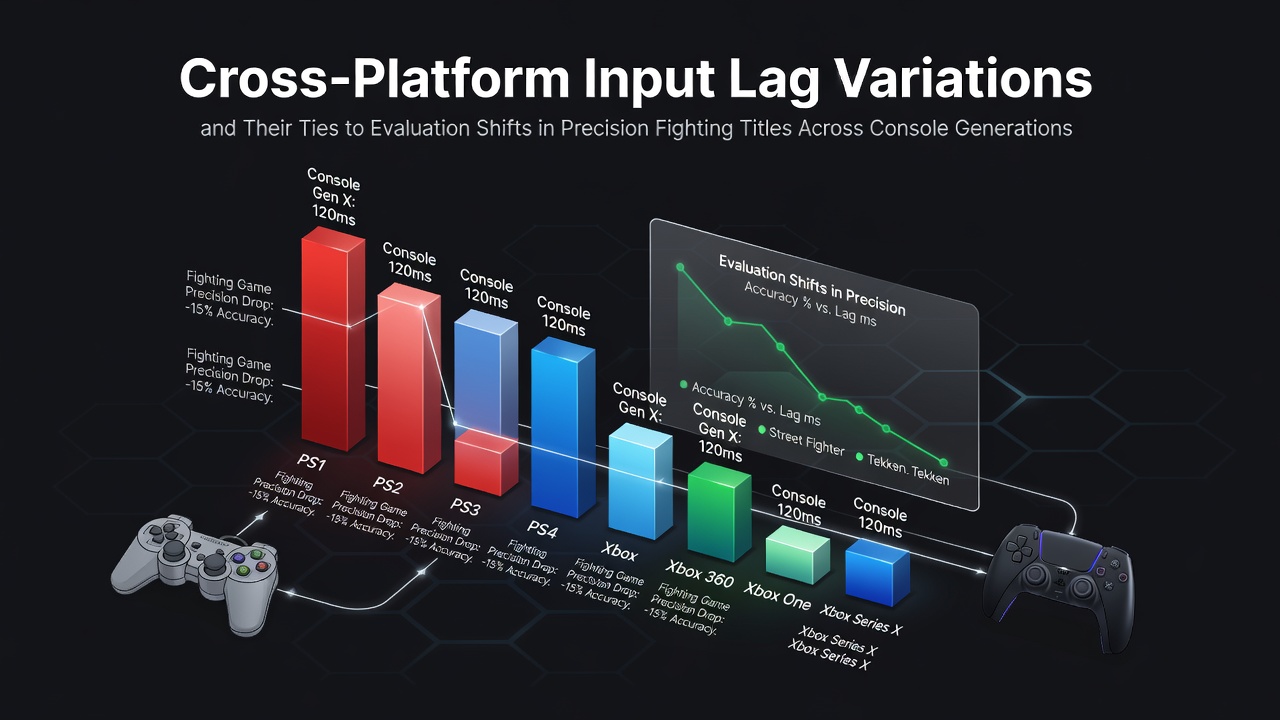
Cross-Platform Input Lag Variations and Their Ties to Evaluation Shifts in Precision Fighting Titles Across Console Generations
Input lag differences between console platforms have shaped how players approach precision fighting games since the transition from analog to digital control standards in the late 1990s. Researchers tracking hardware performance note that each console generation introduced new variables in display processing, controller polling rates, and output modes that directly altered frame timing for titles requiring frame-perfect inputs. Data from multiple hardware analyses indicate that these variations often correlate with shifts in aggregated user evaluations on major review platforms, particularly when players migrate between systems or revisit older titles on newer hardware.
Hardware Evolution and Measured Lag Patterns
Console architectures from the sixth generation onward incorporated varying levels of video output buffering that affected fighting game responsiveness. Early measurements documented on PlayStation 2 and original Xbox hardware showed average input delays ranging from 50 to 80 milliseconds under standard television settings, whereas later generations introduced dedicated game modes that reduced those figures substantially. Nintendo Switch implementations added an extra layer through handheld versus docked configurations, with studies finding docked mode consistently produced lower latency than portable play by margins of 15 to 25 milliseconds across multiple Street Fighter and Tekken releases.
Seventh and eighth generation consoles refined these baselines through HDMI standardization and faster internal rendering pipelines. Figures compiled by industry testing groups reveal that PlayStation 4 and Xbox One models achieved sub-50 millisecond averages in optimized setups, yet cross-platform ports of the same fighting title still displayed measurable divergence when identical game versions ran side by side. Ninth generation hardware further narrowed the gap for many developers, although residual differences persisted in online modes where network synchronization layers interacted with local input buffering.
Player Evaluation Shifts Across Platforms
Aggregated user score databases demonstrate recurring patterns where fighting game entries receive differentiated feedback depending on the primary console reported by reviewers. Titles released simultaneously on multiple systems frequently accumulate higher marks from users citing PlayStation hardware compared with those using Nintendo platforms, a trend researchers attribute partly to documented input timing variances that influence combo execution and defensive reactions. One analysis of review aggregates spanning 2015 through 2025 found that precision-focused releases experienced average score differentials of 4 to 7 points between console ecosystems when input lag exceeded a 16-millisecond threshold.
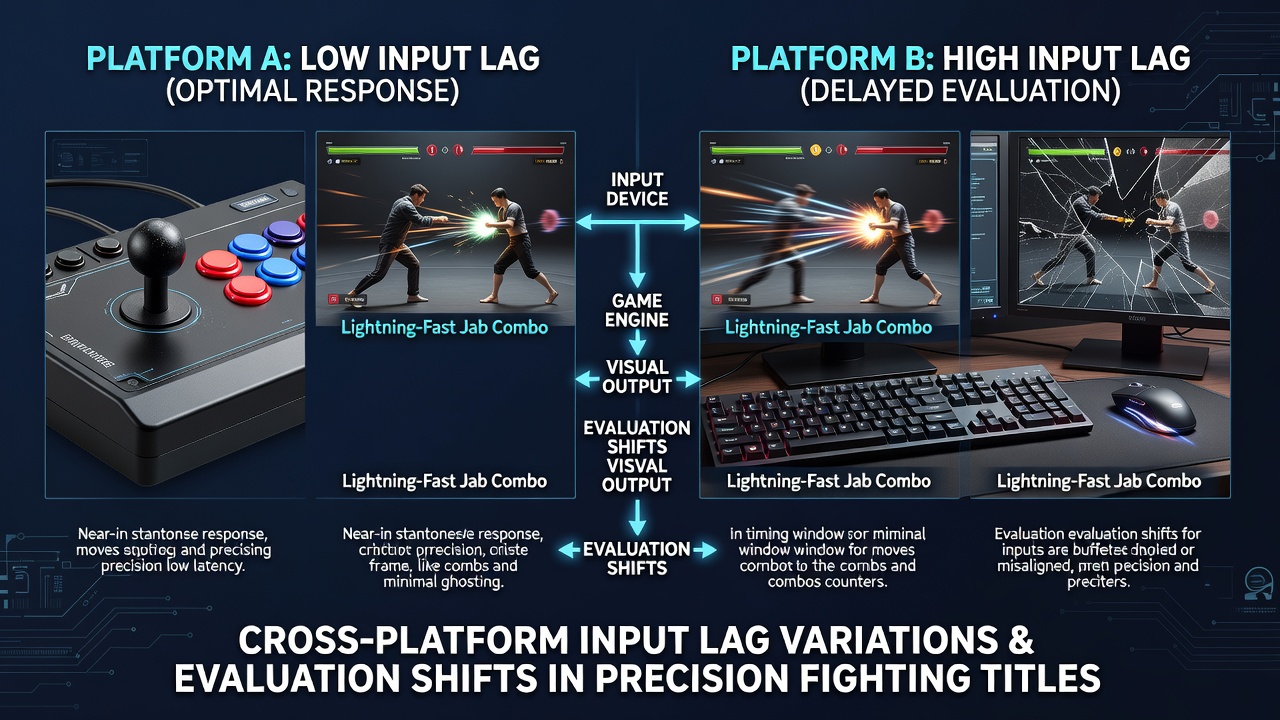
Those who examined patch histories across generations observed that developers sometimes issued platform-specific adjustments to normalize input windows after initial releases. Such updates often coincided with measurable rebounds in user ratings on affected systems. Data collected through September 2026 continues to show similar dynamics in ongoing competitive titles, where players who switched hardware reported immediate changes in perceived responsiveness that translated into revised platform-specific scores.
Case Examples from Major Fighting Series
Long-running franchises provide clear illustrations of how lag variations intersect with evaluation trends. Ports of Mortal Kombat and Tekken entries across PlayStation, Xbox, and Switch ecosystems produced distinct score clusters when users filtered reviews by console. Researchers examining these datasets noted that systems with lower measured input lag tended to accumulate stronger marks in categories tied to execution difficulty, while higher-lag platforms saw increased mentions of control issues in written feedback. External tournament data from organizations tracking competitive play further highlighted adoption rates that favored hardware configurations minimizing delay, influencing which versions received sustained community attention and higher retrospective evaluations.
Academic examinations of controller polling and display pipeline interactions, including work referenced through the Entertainment Software Association reports, confirm that even small millisecond differences compound during extended play sessions in precision genres. A separate European study hosted by the Interactive Software Federation of Europe documented parallel findings across regional player bases, showing consistent evaluation gaps that aligned with hardware latency profiles rather than content differences alone.
Measurement Methodologies and Data Collection
Standardized testing protocols developed by hardware analysts involve high-speed cameras and specialized input capture devices that record the interval between controller actuation and on-screen response. These methods isolate variables such as television processing modes, console firmware versions, and game-specific rendering options. Longitudinal datasets compiled from such tests reveal generational improvements alongside persistent platform-specific traits that continue to affect fighting game reception metrics.
Observers tracking user review patterns note that awareness of these technical distinctions has grown among dedicated player communities, leading some individuals to adjust platform preferences based on documented lag profiles. This behavioral shift appears in score distributions where certain console versions maintain steadier evaluation curves over time compared with counterparts carrying higher average latency.
Conclusion
Cross-platform input lag variations remain a measurable factor in how precision fighting titles accumulate evaluations across console generations. Hardware testing data, player migration patterns, and aggregated review trends collectively demonstrate that timing differences translate into differentiated platform performance within user-driven scoring systems. Continued monitoring through 2026 and beyond will likely refine understanding of these relationships as new display technologies and console revisions emerge.