Hardware Ecosystem Effects on Aggregated Feedback for Multiplayer Focused Experiences
Written by Zara Müller · Oct 27, 2026
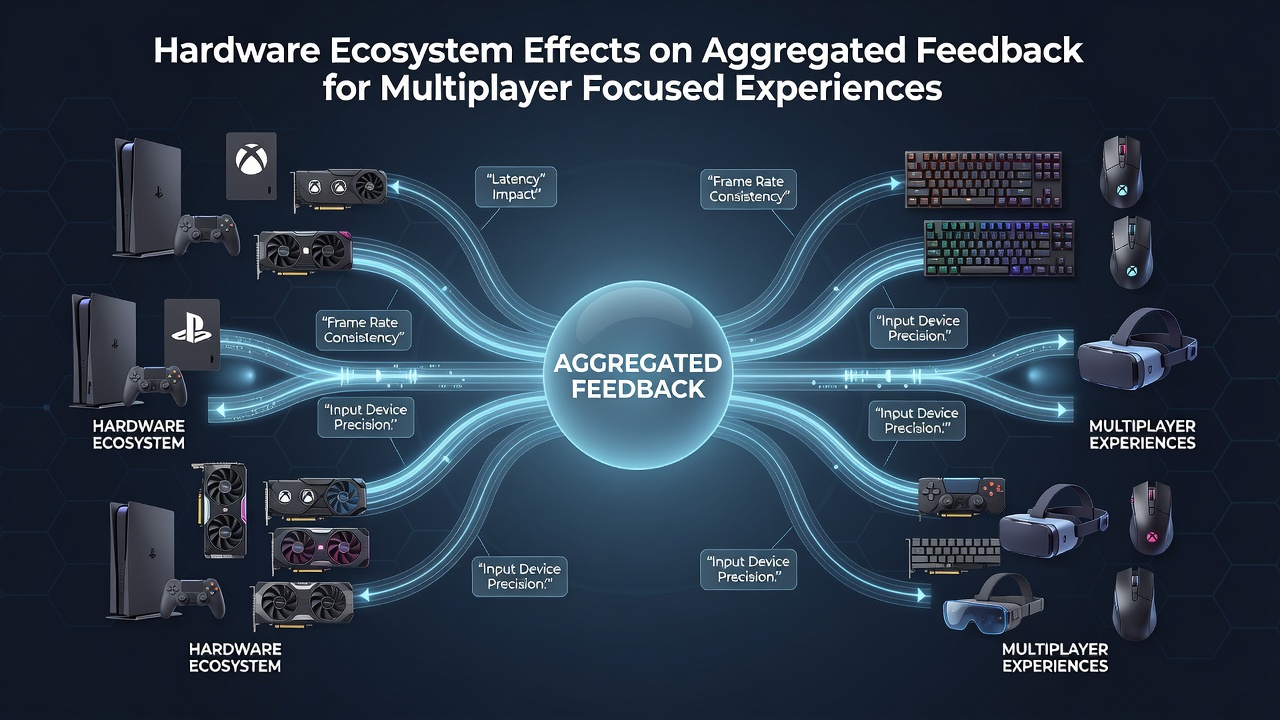
Hardware Ecosystem Effects on Aggregated Feedback for Multiplayer Focused Experiences
Hardware ecosystems shape how players interact with multiplayer titles, and these differences appear clearly in aggregated feedback systems that compile user scores across platforms. Data from major review aggregators shows consistent patterns where platform-specific factors like processing power, network stability, and input devices influence overall ratings for games that support cross-play or simultaneous releases. Researchers tracking user submissions through October 2026 have documented measurable gaps between hardware groups, with PC versions often receiving higher marks in competitive shooters while console editions score stronger in cooperative experiences that reward precise controller inputs.
Platform Performance and Score Distributions
Performance variations between hardware setups drive noticeable shifts in how players rate multiplayer stability and responsiveness. High-end PCs equipped with dedicated graphics cards deliver frame rates that exceed console limits, and studies tracking feedback on titles such as competitive battle arenas reveal that PC users submit positive comments about reduced input lag at higher refresh rates. Console players, by contrast, report more frequent mentions of frame drops during peak server loads, which correlates wth lower aggregate scores in categories focused on technical execution. Figures from industry reports indicate that games optimized for multiple ecosystems receive score spreads of up to eight points on standardized 100-point scales when broken down by hardware type.
Cloud streaming services introduce another layer where connection quality directly affects ratings. Players accessing titles through dedicated streaming hardware encounter occasional latency spikes that desktop or console users avoid, and aggregated data shows these sessions produce higher volumes of neutral or negative feedback tied specifically to synchronization issues rather than core gameplay mechanics.
Input Devices and Control Scheme Impacts
Control methods tied to specific hardware ecosystems further differentiate feedback patterns. Mouse and keyboard setups on PC platforms enable finer aiming adjustments in fast-paced multiplayer matches, and analysis of review text shows frequent references to precision advantages that boost satisfaction scores. Controller-based ecosystems on consoles foster different playstyles that emphasize movement and positioning, leading to elevated ratings when games include aim-assist features calibrated for those devices. Mixed-hardware lobbies in cross-play environments sometimes amplify these contrasts, as players compare experiences across input types and adjust their evaluations accordingly.

Cross-Play Integration and Ecosystem Features
Cross-play capabilities have expanded since major platforms standardized their online services, yet hardware differences continue to surface in user feedback. Games that support seamless matchmaking across PC, console, and handheld devices collect reviews that highlight both benefits and friction points. Data compiled through late 2026 demonstrates that titles with strong ecosystem integration receive steadier aggregate scores, while those with uneven feature parity across hardware see wider variance in player-submitted ratings. Observers note that account progression systems tied to specific ecosystems encourage repeated play sessions on preferred hardware, which in turn reinforces platform-specific score trends.
Network infrastructure provided by each ecosystem also plays a role. Dedicated console online services maintain separate server architectures from open PC networks, and comparative studies of multiplayer retention show that these distinctions influence how users perceive connection reliability during large-scale events. Aggregated feedback often clusters around these technical realities rather than game design alone.
Regional Hardware Adoption and Feedback Trends
Geographic differences in hardware availability add further complexity to aggregated scores. Regions with higher penetration of certain console lines exhibit feedback patterns that align with local player preferences for controller-centric multiplayer modes. According to reports from the Entertainment Software Association, North American data reveals stronger console representation in cooperative genres, whereas European markets tracked by independent research groups display elevated PC usage in competitive categories. These adoption rates translate into measurable differences when review platforms segment scores by both hardware and region.
Handheld ecosystems contribute additional variables, particularly as portable devices gain support for online multiplayer features. Feedback from these platforms tends to emphasize accessibility and session length, producing distinct score clusters compared with stationary hardware setups that support longer, uninterrupted matches.
Conclusion
Hardware ecosystems exert measurable influence on aggregated feedback for multiplayer experiences through performance capabilities, input methods, and integration features. Tracking these effects across platforms provides clearer insight into how players evaluate the same titles under different technical conditions. Continued monitoring of score distributions through 2026 and beyond offers ongoing opportunities to understand these interactions without assuming uniform reception across all ecosystems.